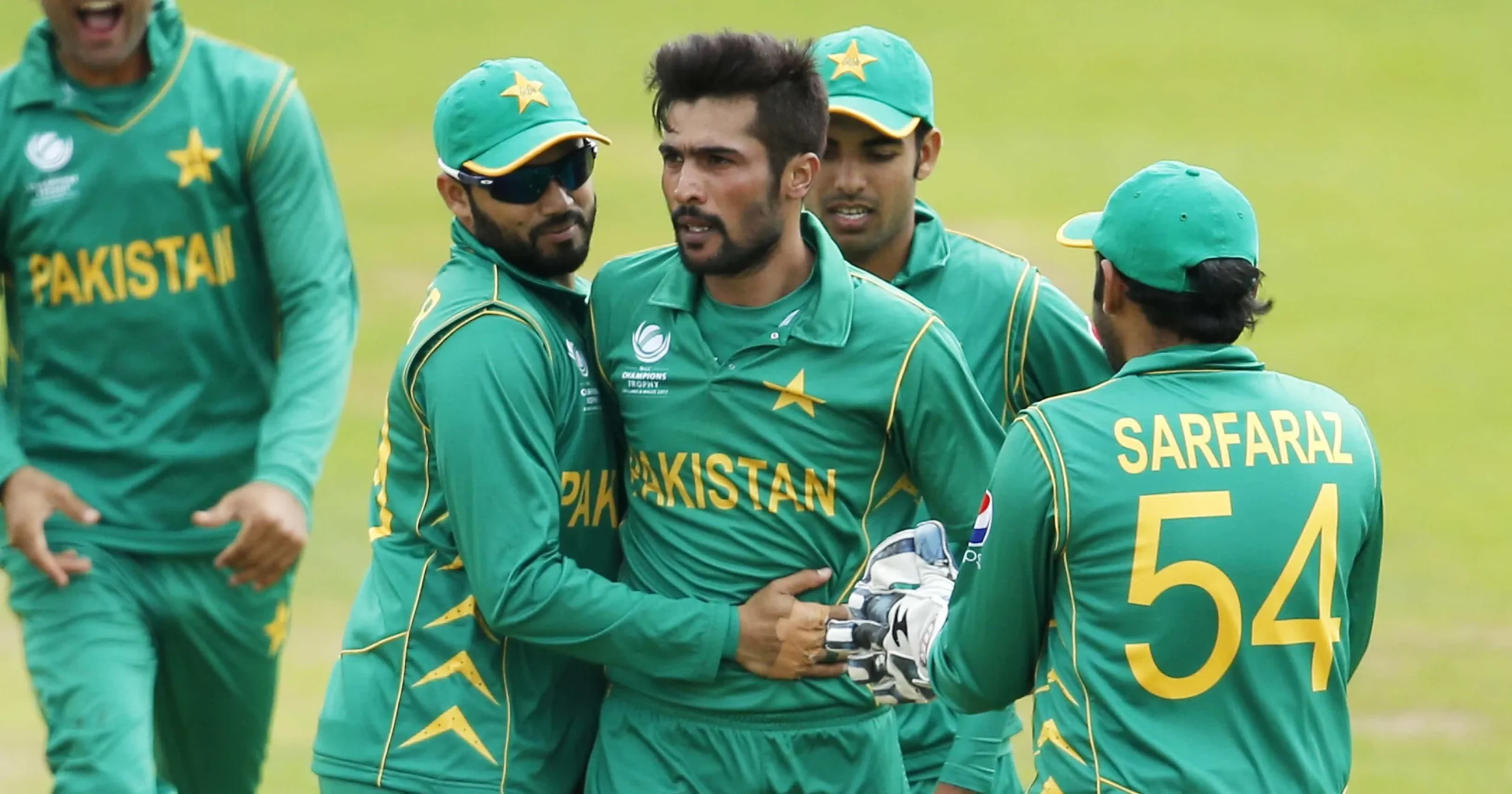
Pakistan fast bowling attack has long been one of the most feared in international cricket. Renowned for producing world-class pacers, Pakistan’s arsenal of speedsters has consistently troubled batsmen across formats. From raw pace to lethal swing, the Pakistan fast bowling attack combines skill, aggression, and tactical intelligence to dominate opposition line-ups.
Historically, the team has produced legends like Wasim Akram and Waqar Younis, who revolutionized swing bowling and set the benchmark for future generations. Today, the new crop of bowlers continues this legacy, blending pace, variation, and strategy to remain a formidable force in world cricket.
Evolution of the Pakistan Fast Bowling Attack
The journey of the Pakistan fast bowling attack reflects decades of tradition, innovation, and raw talent. Early pioneers used swing and seam movement to exploit conditions abroad, establishing Pakistan as a fast-bowling powerhouse. In the modern era, fitness, biomechanics, and analytics have enhanced their effectiveness, allowing bowlers to sustain speed while maintaining accuracy.
Across formats, this attack has evolved to adapt to T20 leagues, ODIs, and Test cricket. Bowlers now focus on variations like slower balls, cutters, and yorkers alongside conventional pace, reflecting the continuous evolution of the Pakistan fast bowling attack.
Key Components of a Successful Pace Attack
A dominant Pakistan fast bowling attack relies on several critical elements. First is raw speed—bowlers capable of consistently delivering at 140+ km/h unsettle any batting line-up. Next is swing and seam movement, which are Pakistan’s traditional strengths, allowing pacers to exploit both home and away conditions effectively.
Accuracy and stamina are equally vital. Bowlers must maintain line and length under pressure, especially during long spells in Tests or crucial overs in ODIs and T20s. The combination of skill, strategy, and physical fitness makes the Pakistan fast bowling attack a model for pace dominance globally.
Legendary Figures Shaping Pakistan’s Pace Legacy
The Pakistan fast bowling attack has been shaped by icons whose performances are etched in cricketing history. Wasim Akram, often called the “Sultan of Swing,” redefined left-arm pace with reverse swing. Waqar Younis terrorized batsmen with toe-crushing yorkers and lightning pace.
Modern bowlers like Shaheen Afridi and Naseem Shah continue this tradition, combining youthful energy with tactical awareness. Their ability to strike early, sustain pressure, and adapt across formats highlights why Pakistan remains synonymous with fast bowling excellence.
Tactical Approach in Modern Cricket
Strategic deployment of the Pakistan fast bowling attack is critical in contemporary cricket. Captains and coaches often plan over sequences based on pitch conditions, batsman weaknesses, and match situations. Early wickets are targeted using swing and bounce, while later overs focus on variations to restrict scoring or induce mistakes.
In T20 cricket, bowlers utilize precise yorkers, slower deliveries, and bouncers to counter aggressive batsmen. In Tests, sustained pressure and exploiting seam and reverse swing make the Pakistan fast bowling attack effective across conditions.
Impact of Pitch Conditions
Pitch behavior significantly affects the effectiveness of the Pakistan fast bowling attack. Green-top pitches favor seamers, allowing them to extract movement, while dry pitches challenge pacers to rely on bounce and variations. Pakistan bowlers have demonstrated adaptability, thriving in Australian bounces, English swings, and subcontinental turn-friendly tracks.
Understanding pitch dynamics is integral to planning spells. For instance, a fresh WACA pitch in Perth demands pace and bounce, while Gaddafi Stadium in Lahore rewards disciplined swing. The Pakistan fast bowling attack leverages these nuances to dominate matches strategically.
Performance Metrics and Analytics
Data-driven insights have become central to maximizing the Pakistan fast bowling attack. Metrics like average speed, economy rate, strike rate, and reverse swing effectiveness guide team strategies. Analytics help identify batsmen’s weak areas, predict scoring patterns, and plan bowling variations accordingly.
Teams also use video analysis to refine techniques and strategize field placements. This scientific approach, combined with raw talent, ensures Pakistan’s pace attack remains lethal in all formats, showcasing why it continues to be a benchmark in global cricket.
Memorable Matches Defined by Pace
Several matches have highlighted the prowess of the Pakistan fast bowling attack. From devastating spells against India and Australia to crucial breakthroughs in World Cups, Pakistan’s pacers have turned games singlehandedly.
Shaheen Afridi’s early wickets in high-pressure T20 games and Naseem Shah’s rapid breakthroughs in Tests exemplify modern dominance. Historic performances by Wasim Akram and Waqar Younis still serve as a reference for pace mastery, illustrating the continuity of excellence in the Pakistan fast bowling attack.
Youth Development and Emerging Talent
The future of the Pakistan fast bowling attack depends on nurturing young talent. Academies focus on biomechanics, fitness, and mental resilience to develop bowlers capable of handling high-speed cricket. Emerging pacers are trained to execute variations, manage pressure, and sustain intensity across long matches.
Programs in Lahore, Karachi, and Faisalabad have produced bowlers who are technically sound and strategically aware. This continuous talent pipeline ensures that Pakistan will maintain its fast-bowling reputation globally.
Influence on International Cricket
The Pakistan fast bowling attack has influenced global cricket strategies. Teams worldwide study Pakistani pacers to prepare against swing, seam, and reverse swing. Innovations in bowling techniques introduced by Pakistan, such as toe-crushing yorkers and deceptive slower balls, are now widely adopted in T20 leagues and international cricket.
Opposition teams often modify batting techniques specifically to counter Pakistan’s pace threat, highlighting the lasting impact of the Pakistan fast bowling attack on the sport.
Future Outlook
The trajectory of the Pakistan fast bowling attack suggests continued dominance in international cricket. Advancements in training, analytics, and fitness are producing faster, more accurate, and more versatile bowlers. Combined with strategic planning, this ensures that Pakistan remains a benchmark in pace bowling.
Modern tournaments like the ICC World Cup, Asia Cup, and T20 leagues offer platforms for Pakistani pacers to showcase skill, sustain pressure, and mentor the next generation, reinforcing the legacy of the Pakistan fast bowling attack.
Pakistan fast bowling attack represents a blend of raw speed, tactical intelligence, and adaptability. From legends of the past to emerging stars, it continues to define Pakistan cricket, inspiring fans and challenging batsmen worldwide.
Read also:
sharjah warriors vs mi emirates timeline
queensland bulls vs south australia cricket team timeline
lucknow super giants vs rajasthan royals match scorecard
paarl royals vs joburg super kings match scorecard
pakistan women’s national cricket team vs new zealand women’s national cricket team timeline