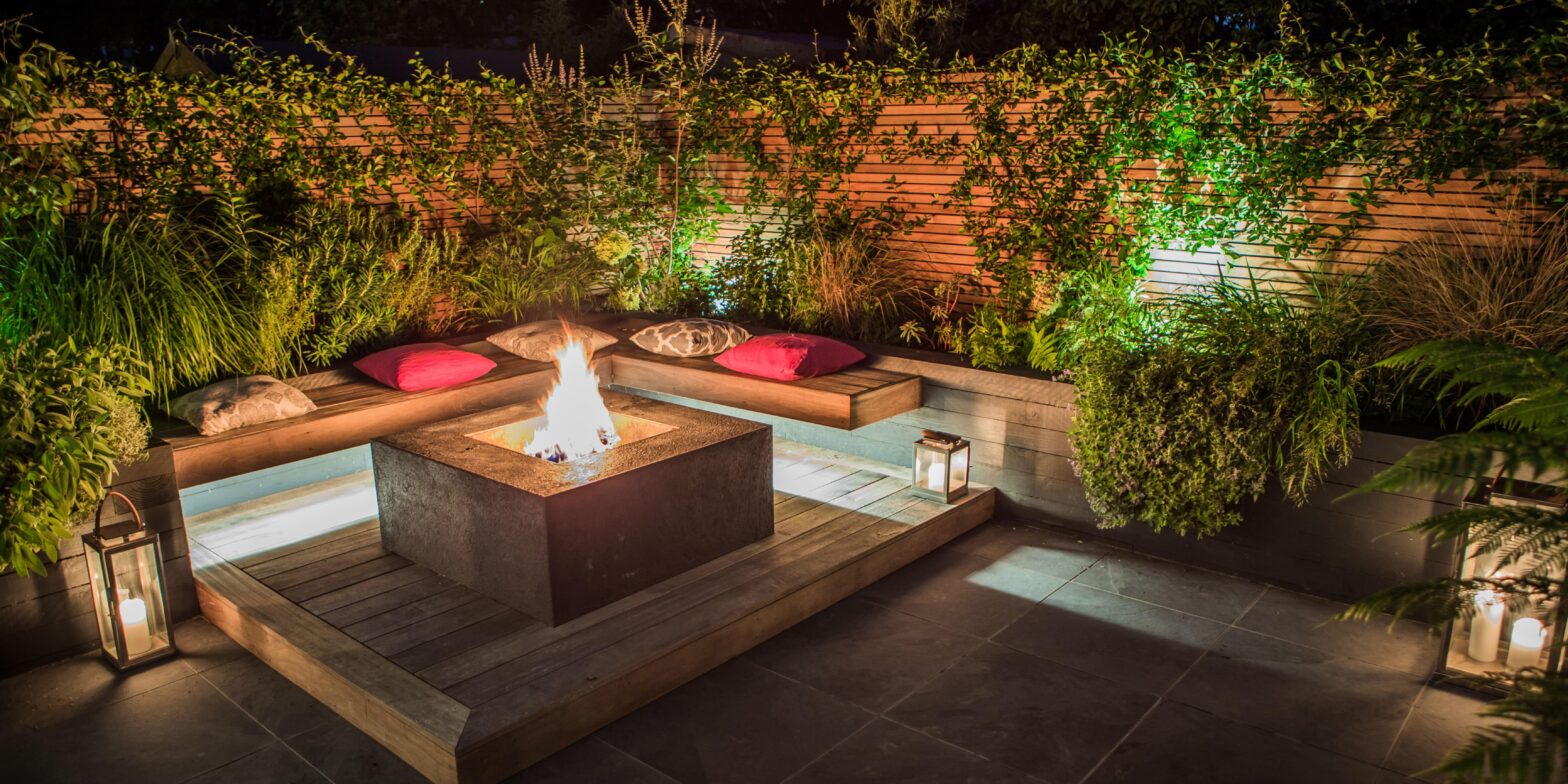
Garden Lighting Design plays a powerful role in transforming outdoor spaces once the sun goes down. During the day, gardens rely on natural light to highlight plants, pathways, and architectural features. At night, lighting becomes the key element that shapes the atmosphere and reveals the beauty of the landscape.
Imagine stepping into a garden in the evening where soft lights highlight the trees, subtle path lights guide your steps, and warm illumination surrounds a cozy seating area. The entire space feels calm, welcoming, and visually magical.
Many homeowners focus heavily on plants and landscaping while overlooking lighting. However, thoughtful lighting design can completely change how a garden looks and feels after sunset.
Modern outdoor lighting combines aesthetics with functionality. It improves safety, enhances property value, and creates memorable outdoor environments for relaxation and entertainment.
These benefits explain why Garden Lighting Design has become an essential part of modern landscape planning.
Table of Contents
ToggleThe Evolution of Outdoor Lighting in Gardens
Outdoor lighting has evolved significantly over the past few decades. In earlier times, garden lighting was limited to simple lamps or floodlights placed near pathways or entrances.
While these lights provided basic illumination, they often lacked style and subtlety.
Modern lighting technology has introduced a wide range of creative options that allow designers to shape outdoor spaces with precision and artistry.
Architectural visionaries like Frank Lloyd Wright emphasized the importance of harmony between architecture and landscape. Today’s lighting designers apply this philosophy by integrating light seamlessly into garden environments.
Instead of overpowering the space, modern lighting highlights natural features while maintaining a peaceful nighttime atmosphere.
This shift in design thinking has greatly influenced contemporary Garden Lighting Design concepts.
Why Lighting Is Essential for Garden Design
Lighting plays several important roles in outdoor environments. The most obvious function is safety.
Well-lit pathways and stairs help prevent accidents and make it easier for people to move around the garden at night.
Lighting also improves security by reducing dark areas around the property.
Beyond functionality, lighting adds emotional and aesthetic value to a garden. The way light interacts with trees, water features, and architectural elements can create dramatic visual effects.
For example, a spotlight directed at a large tree can reveal its beautiful branches and textures.
Soft lighting around a patio or seating area can create a warm and relaxing environment perfect for evening gatherings.
These visual and emotional effects are key elements of effective Garden Lighting Design.
Layered Lighting for Outdoor Spaces
Professional lighting designers often use a layered approach when planning outdoor lighting systems.
Layered lighting means combining different types of lights to achieve balance and depth within the landscape.
Ambient lighting provides general illumination for the entire garden. This type of lighting ensures that the space remains comfortable and usable during the evening.
Accent lighting focuses on highlighting specific features such as sculptures, plants, or water fountains.
Task lighting is used in areas where specific activities take place, such as outdoor dining areas or pathways.
When these lighting layers are combined effectively, the garden becomes both functional and visually appealing.
Layered lighting strategies are central to modern Garden Lighting Design techniques.
Pathway Lighting and Safety
Pathways are one of the most important areas to illuminate in a garden. Without proper lighting, paths can become difficult to navigate after dark.
Modern pathway lights are designed to provide subtle illumination that guides visitors without overpowering the surrounding landscape.
Low-profile fixtures placed along walkways help create a gentle glow that enhances visibility while maintaining a natural look.
Many designers prefer warm-toned lighting for pathways because it creates a welcoming and relaxing atmosphere.
Proper pathway lighting also helps define the layout of the garden, making it easier for guests to explore the space.
These safety and design benefits make pathway lighting an essential part of Garden Lighting Design.
Highlighting Trees and Plants
Trees and plants form the heart of any garden, and lighting can dramatically enhance their beauty at night.
Uplighting is a popular technique used to illuminate trees from below. By placing lights at the base of the tree, designers can highlight the trunk, branches, and leaves.
This technique creates dramatic shadows and adds depth to the garden landscape.
Some designers also use downlighting, where lights are placed in elevated positions such as pergolas or nearby structures.
Downlighting creates a natural moonlight effect that gently illuminates plants and surrounding areas.
These lighting methods help reveal the textures and shapes of plants that might otherwise disappear in darkness.
By emphasizing natural features, Garden Lighting Design helps gardens maintain their visual appeal even at night.
Water Features and Reflective Lighting
Water features become especially beautiful when combined with creative lighting.
Ponds, fountains, and waterfalls can reflect light in mesmerizing ways, adding movement and sparkle to the garden.
Submersible LED lights are often used inside ponds or fountains to illuminate flowing water.
These lights create shimmering reflections that bring the water feature to life after sunset.
Reflective lighting techniques can also make small gardens feel more spacious and dynamic.
When designed carefully, water feature lighting becomes a captivating focal point in the landscape.
These artistic lighting techniques are frequently used in advanced Garden Lighting Design projects.
Energy-Efficient Lighting Solutions
Modern lighting technology focuses heavily on energy efficiency.
LED lights have become the most popular choice for outdoor lighting because they consume significantly less energy than traditional bulbs.
They also last much longer, which reduces maintenance and replacement costs.
Solar-powered garden lights are another eco-friendly option that has gained popularity among homeowners.
These lights absorb sunlight during the day and automatically illuminate gardens at night.
Solar lighting is particularly useful in areas where electrical wiring may be difficult or expensive to install.
Energy-efficient technologies have become essential components of modern Garden Lighting Design.
Smart Lighting Systems for Modern Gardens
Smart technology has revolutionized how outdoor lighting systems operate.
Many modern gardens now include smart lighting systems that can be controlled through smartphones or voice assistants.
Devices like Google Home and Amazon Alexa allow homeowners to adjust brightness levels, change lighting colors, or schedule lights to turn on automatically.
Smart lighting also improves energy efficiency by allowing users to control when and how lights operate.
Some systems even include motion sensors that activate lights only when movement is detected.
These innovations have made outdoor lighting more convenient and customizable than ever before.
Smart technology continues to shape the future of Garden Lighting Design.
Creating Atmosphere with Decorative Lighting
Decorative lighting adds personality and charm to outdoor spaces.
String lights, lanterns, and decorative wall fixtures can transform a simple garden into a magical nighttime retreat.
Many homeowners enjoy hanging warm string lights across patios or pergolas to create a cozy environment for social gatherings.
Lantern-style lights can also add a touch of traditional elegance to modern garden spaces.
Lighting designers often experiment with color temperature and brightness levels to create specific moods.
Soft warm lights are usually preferred for relaxation areas, while brighter lights may be used near entrances or workspaces.
These decorative lighting elements help gardens feel more inviting and expressive.
They also demonstrate how creative thinking continues to expand the possibilities of Garden Lighting Design.
Professional Landscape Lighting Design
While many homeowners install basic garden lights themselves, complex lighting systems often benefit from professional planning.
Landscape lighting designers study the layout of the garden, architectural features, and natural elements before selecting lighting placements.
They carefully consider angles, brightness levels, and fixture types to achieve balanced illumination.
Professional designers also ensure that lighting systems are safe, energy-efficient, and weather-resistant.
Global design firms such as AECOM frequently incorporate advanced lighting strategies into large-scale landscape projects.
Their expertise demonstrates how thoughtful planning can transform outdoor spaces into visually stunning nighttime environments.
With professional guidance and creative planning, Garden Lighting Design can elevate any garden into a beautiful and functional evening retreat.
Read also: