Test cricket comeback stories are the reason many fans still call this format the purest form of the game. In a world dominated by T20 fireworks and instant results, Test cricket quietly delivers something deeper — resilience, patience, and unforgettable reversals that unfold over five gripping days.
If you’ve ever stayed up late watching a team fight back from the brink of defeat, you understand the magic. Comebacks in Test cricket are rarely sudden. They are built session by session, over by over, sometimes ball by ball.
These stories are not just about numbers on a scoreboard. They are about character, belief, and the refusal to surrender.
Why Test Cricket Comeback Stories Matter So Much
Unlike limited-overs formats, Test matches allow time for narratives to develop. A team bowled out cheaply in the first innings can regroup, rethink strategy, and claw their way back.
The beauty of Test cricket comeback stories lies in that time. Five days create space for doubt, hope, and dramatic shifts in momentum.
A collapsed batting order can be rescued by one determined partnership. A flat pitch can suddenly come alive on day four. Conditions change, tactics evolve, and pressure builds.
In this format, patience becomes as powerful as aggression.
The Iconic Eden Gardens Turnaround
One of the greatest examples of resilience occurred at Eden Gardens in 2001.
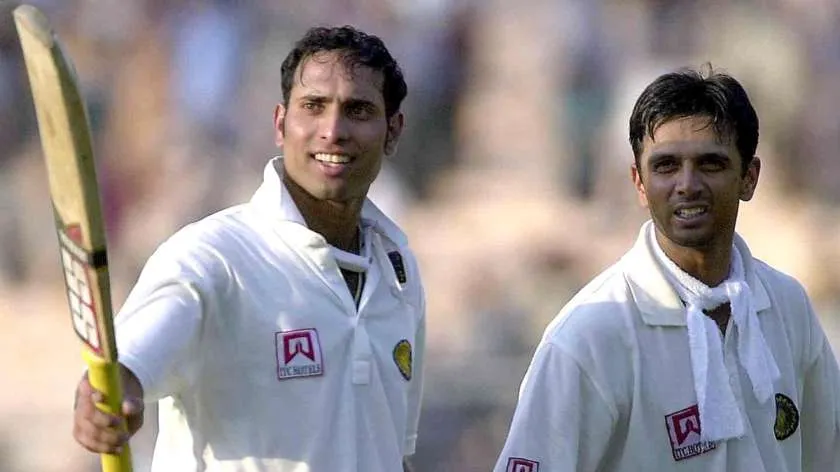
Following on against Australia, India appeared destined for defeat. Then came the unforgettable partnership between VVS Laxman and Rahul Dravid.
Their marathon stand turned the match on its head. What seemed impossible became inevitable as Australia crumbled under scoreboard pressure.
This match remains one of the finest Test cricket comeback stories ever witnessed, proving that belief can shift the course of history.
Headingley 2019: Stokes’ Heroics
At Headingley Cricket Ground in 2019, England faced an almost certain defeat against Australia.
Chasing 359, England were reduced to 286 for 9. Enter Ben Stokes.
His unbeaten 135 was a masterclass in calculated aggression and composure. With every boundary, hope resurfaced.
This innings didn’t just win a Test match; it reinforced why Test cricket comeback stories remain etched in sporting folklore.
Grit Over Glamour
Test cricket rarely rewards reckless hitting. Instead, it celebrates grit.
Comebacks often begin with survival. Batters block relentlessly, bowlers maintain discipline, and captains shuffle field placements strategically.
Such resilience might not trend on social media instantly, but it builds drama organically.
The emotional investment over five days makes the payoff unforgettable.
The Psychological Dimension
One fascinating aspect of Test cricket comeback stories is the psychological battle.
When a dominant team senses control slipping, anxiety creeps in. Fielders lose sharpness. Bowlers overthink.
Conversely, the trailing side gains momentum and belief. Small victories within sessions compound into larger advantages.
Momentum in Test cricket is subtle yet powerful.
The Gabba Fortress Breached
For decades, Australia remained unbeaten at The Gabba.
In 2021, a young and injury-hit Indian team chased down 328 on the final day. Led by fearless batting and disciplined bowling, they defied expectations.
This victory joined the pantheon of remarkable Test cricket comeback stories, demonstrating that determination can overcome experience and history.
It wasn’t just a win; it was a statement.
Weather, Pitch, and Patience
Test matches unfold in changing conditions. A pitch that favors seamers on day one may aid spinners by day four.
Teams that adapt quickly create opportunities for comebacks.
Rain interruptions can alter momentum. Cloud cover can assist swing.
Understanding and exploiting these variables often defines memorable turnarounds.
Individual Redemption Stories
Sometimes, the comeback isn’t just about teams but individuals.
Steve Smith returned to Test cricket after suspension and delivered dominant performances in the 2019 Ashes.
His redemption arc added emotional depth to the series.
Such narratives enrich the collection of Test cricket comeback stories, blending personal resilience with team objectives.
Leadership in Crisis
Great captains thrive during adversity.
Field placements become more aggressive. Bowling changes become bold. Declarations are timed precisely.
Leadership during comebacks often involves calculated risks.
When captains trust their instincts, teams respond with renewed energy.
The Role of Lower-Order Partnerships
Many comebacks hinge on unlikely heroes.
Lower-order batters often contribute crucial runs that shift pressure back onto opponents.
These partnerships may not dominate headlines initially, but they alter match dynamics.
Such moments highlight cricket’s unpredictability.
Fitness and Endurance
Five days of high-intensity competition test physical and mental endurance.
Teams that maintain fitness levels handle extended sessions better.
Bowling long spells and batting for hours demand preparation.
Endurance frequently underpins successful Test cricket comeback stories.
Crowd Influence and Atmosphere
Home crowds can energize players during crucial phases.
The roar of thousands creates belief in seemingly lost causes.
At venues like Eden Gardens or Headingley, atmosphere becomes a tangible force.
Fans become silent participants in historic turnarounds.
Data and Modern Preparation
Teams now analyze historical data extensively.
They review past matches, pitch behaviors, and opposition weaknesses.
Preparation strengthens the foundation for comebacks.
While cricket retains unpredictability, informed strategy increases chances of revival.
Emotional Resilience
Defeat looms large during comebacks. Players must silence internal doubt.
Sports psychologists help athletes manage stress and maintain focus.
Resilience becomes contagious within a team.
The emotional journey embedded in Test cricket comeback stories resonates deeply with fans worldwide.
The Timeless Appeal of the Format
In an era of rapid entertainment, Test cricket demands patience.
Comebacks unfold gradually, building tension organically.
The slow burn intensifies the eventual triumph.
That layered narrative distinguishes this format uniquely.
Young Teams Defying Expectations
Modern cricket has seen inexperienced squads stun seasoned opponents.
Youthful fearlessness often fuels remarkable reversals.
These performances prove that belief sometimes outweighs pedigree.
Each generation adds new chapters to the legacy of Test resilience.
Lessons Beyond Cricket
Comebacks in Test matches mirror life’s broader challenges.
They teach perseverance, adaptability, and the power of teamwork.
Spectators connect emotionally because these values transcend sport.
That universal appeal strengthens the cultural significance of the format.
Media and Storytelling
Commentators and writers amplify the drama.
Session summaries, player interviews, and tactical breakdowns deepen engagement.
Storytelling preserves these moments for future generations.
Without documentation, even the greatest Test cricket comeback stories might fade with time.
The Evolution of Strategy
Cricket strategy has evolved dramatically.
Aggressive declarations and attacking fields have replaced overly defensive tactics.
Teams now chase bold victories instead of settling for draws.
This fearless mindset has increased the frequency of thrilling reversals.
Test cricket continues to adapt while retaining its essence.
Its comeback stories stand as enduring reminders that resilience, patience, and belief can overturn even the bleakest scenarios.
Read also:
mumbai indians vs punjab kings timeline
afghanistan national cricket team vs england cricket team match scorecard
punjab kings vs mumbai indians timeline
pakistan national cricket team vs india national cricket team match scorecard
zimbabwe national cricket team vs afghanistan national cricket team match scorecard
sri lanka national cricket team vs bangladesh national cricket team match scorecard