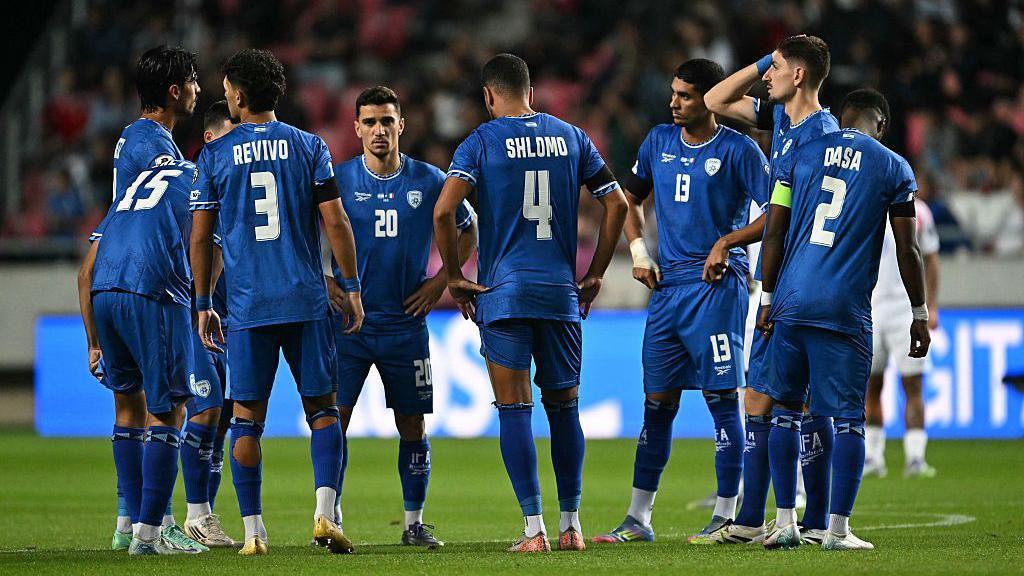
National football teams represent the pride, identity, and sporting dreams of an entire country. While club football dominates weekly competitions around the world, international football carries a unique emotional weight. When players wear their national colors, they represent millions of supporters who share the same passion for the game.
International matches often create moments that live forever in football history. Fans remember where they were when their country scored a decisive goal or lifted a major trophy. These moments are about more than sport; they represent unity, national pride, and unforgettable celebration.
From small football nations to global powerhouses, every country dreams of building a competitive team that can shine on the world stage. The journey of international football shows how deeply the sport connects people across cultures and continents.
Table of Contents
ToggleThe Origin and Evolution of National Football Teams
The concept of national football teams dates back to the early days of organized football. As the sport grew in popularity during the late nineteenth and early twentieth centuries, countries began forming official teams to represent them in international matches.
Early international games were often friendly matches played between neighboring countries. Over time, these matches became more structured with official tournaments and competitions.
The growth of global tournaments transformed international football into a worldwide spectacle. Nations from every continent now compete regularly, giving fans the chance to see diverse playing styles and cultural influences within the sport.
As football developed globally, national teams became powerful symbols of unity and pride within their countries.
Why National Teams Inspire So Much Passion
Football at the international level creates a special connection between players and fans.
Club football divides supporters into different loyalties, but international matches unite entire nations behind a single team. Streets fill with supporters wearing national colors, flags wave from balconies, and stadiums become oceans of passionate fans.
The emotional intensity surrounding national football teams is unlike anything seen in club competitions.
When a national team wins an important match, the celebration spreads across cities and communities. When a team loses, fans share the disappointment together.
This collective emotional experience explains why international tournaments capture the attention of billions of viewers around the world.
Major International Competitions for National Teams
International tournaments provide the stage where national teams prove their strength and ambition.
The most prestigious competition in international football is the FIFA World Cup. Held every four years, it brings together the best teams from around the world to compete for the ultimate prize.
Continental tournaments also play an important role in international football. Europe hosts the UEFA European Championship, while South America organizes the Copa América.
These tournaments showcase the diversity and talent present in national football teams across different regions.
Every competition introduces new heroes and unforgettable moments that become part of football folklore.
Building a Successful National Team
Creating a strong national team requires more than simply selecting talented players.
Coaches must build a balanced squad that combines skill, teamwork, and tactical discipline. Unlike club teams that train together daily, national teams have limited preparation time before matches.
Because of this challenge, managers focus heavily on player chemistry and adaptability.
Developing youth academies and national training programs also plays an important role in strengthening national football teams.
Countries that invest in youth development often produce generations of talented players capable of competing internationally.
This long-term planning helps maintain consistent performance across multiple tournaments.
The Role of Coaches in National Team Success
A national team coach carries enormous responsibility.
The coach must select the best players available, design tactical strategies, and motivate athletes to perform at their highest level during international competitions.
Unlike club managers who oversee players throughout the season, national team coaches must quickly build unity among players who normally compete for different clubs.
Successful coaches often emphasize communication, discipline, and trust.
These qualities help players adapt quickly and perform effectively together, strengthening the overall performance of national football teams.
When the right coach leads a talented group of players, remarkable success can follow.
Legendary Players Who Defined National Teams
Some players become legends because of their incredible performances for their countries.
For example, Diego Maradona delivered unforgettable performances during the 1986 World Cup, leading Argentina to victory with extraordinary skill and leadership.
Similarly, Pelé became a global icon after helping Brazil win multiple World Cup titles.
These players did more than score goals. They inspired teammates, united fans, and elevated their national football teams to historic success.
Their achievements remain powerful reminders of how individual brilliance can shape international football history.
Youth Development and the Future of National Teams
The future success of national teams depends heavily on youth development programs.
Young players must receive quality coaching, access to training facilities, and opportunities to compete at high levels.
Many football federations operate national youth teams that compete in under-17, under-20, and under-23 tournaments. These competitions prepare young athletes for senior international football.
Countries that prioritize youth training often produce technically skilled and tactically intelligent players.
Through structured development systems, national football teams can continue evolving and improving across generations.
Cultural Identity and Football Style
One fascinating aspect of international football is the unique playing style associated with different countries.
Brazilian football, for example, is often known for creativity and attacking flair. European teams frequently emphasize tactical organization and disciplined positioning.
African teams often bring physical strength and explosive pace, while Asian teams are known for technical precision and teamwork.
These cultural influences shape how national football teams approach matches and build their tactical identity.
Fans often recognize a team’s style immediately, which adds diversity and excitement to international competitions.
The Impact of Fans on National Teams
Fans play a powerful role in motivating national teams during major tournaments.
The energy inside stadiums can transform the atmosphere of a match. Supporters sing national anthems, wave flags, and create unforgettable displays of passion.
Players often describe the pride they feel when hearing thousands of fans chanting their country’s name.
This connection between players and supporters strengthens the emotional significance of representing national football teams.
Even during away matches, traveling fans bring enthusiasm and encouragement that inspire players to perform at their best.
Football becomes a shared national experience that unites people across generations.
Challenges Faced by National Teams
Despite the excitement of international football, national teams face several challenges.
Limited training time means players must adapt quickly to tactical instructions and team chemistry.
Injuries and club commitments can also affect squad availability during international windows.
Additionally, expectations from fans and media create significant pressure on players and coaches.
Maintaining consistent performance under these conditions requires strong leadership and careful preparation.
Yet despite these challenges, national football teams continue to deliver thrilling matches that captivate audiences worldwide.
Technology and Modern Football Analysis
Modern football analysis has transformed how national teams prepare for matches.
Advanced data tracking systems help coaches evaluate player performance, movement patterns, and tactical efficiency.
Video analysis allows teams to study opponents in detail before major matches.
These tools provide valuable insights that help improve strategy and decision-making.
By combining traditional coaching knowledge with modern analytics, national football teams can optimize performance and compete more effectively on the global stage.
The Global Influence of International Football
International football has a remarkable ability to connect people across different cultures and countries.
When major tournaments begin, billions of fans watch matches together, sharing excitement and anticipation.
International competitions also introduce fans to players and teams they may not normally follow in club football.
This exposure helps grow the global popularity of the sport while strengthening football communities worldwide.
Through the passion, competition, and unforgettable moments they create, national football teams continue to represent the very essence of international football culture.
Read also:
usmnt vs guatemala national football team lineups
usmnt vs costa rica national football team lineups
spain national football team vs netherlands national football team lineups
mexico national football team vs saudi arabia national football team lineups
spain national football team vs netherlands national football team timeline