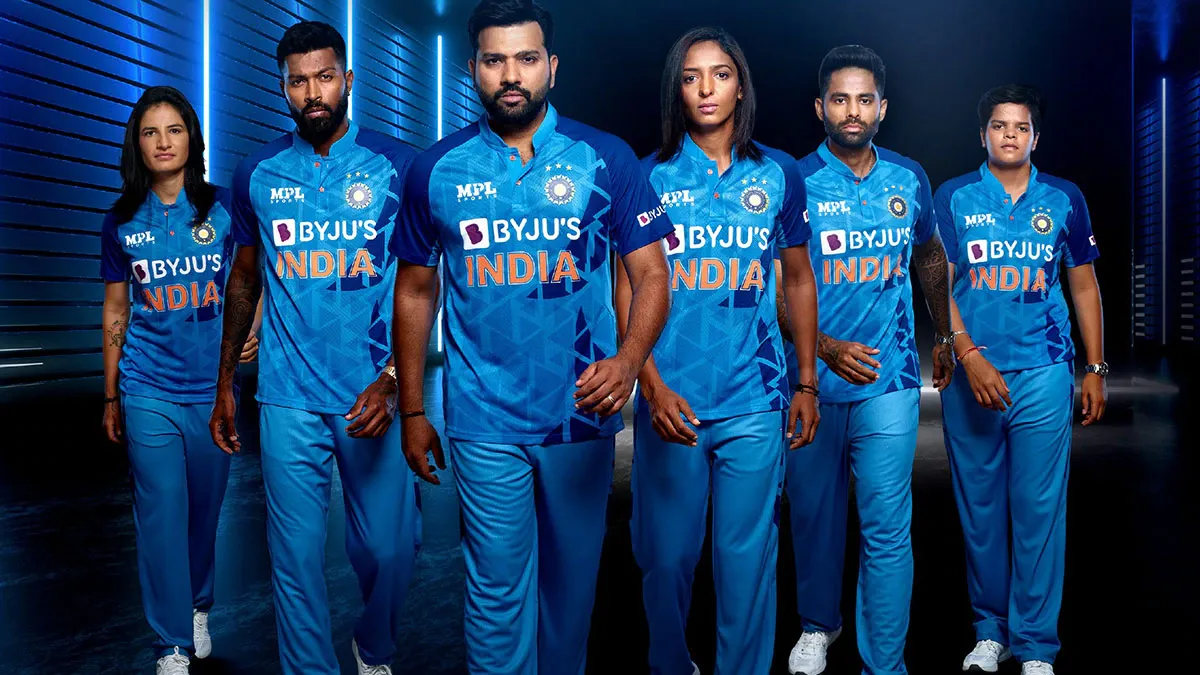
Merchandise Sales Cricket has evolved from basic team jerseys sold at stadium gates into a sophisticated global industry generating hundreds of millions of dollars annually for cricket teams, leagues, players, and retailers. This commercial ecosystem transforms fan passion into tangible revenue streams through carefully designed products ranging from replica kits and equipment to lifestyle apparel, collectibles, and digital merchandise that allow supporters to express their cricket allegiance while funding the sport they love.
I’ll never forget visiting the Melbourne Cricket Ground merchandise store during the Boxing Day Test and watching fans queue for over an hour just to purchase the latest Australian team jersey with their favorite player’s name printed on the back. What struck me wasn’t just the volume of sales but the emotional investment these fans demonstrated—they weren’t buying functional clothing but rather purchasing tangible connections to their cricket heroes and cherished team identities. That experience revealed how merchandise transcends simple retail transactions to become emotional expressions of belonging, identity, and passion that cricket organizations can monetize when they understand their fans deeply.
Understanding the Cricket Merchandise Ecosystem
Cricket merchandise encompasses an enormous product range from traditional items like team jerseys, caps, and flags to modern offerings including athleisure wear, fashion collaborations, digital collectibles, and limited-edition releases. This diversity allows cricket organizations to monetize various fan segments with different preferences and purchasing capacities.
Distribution channels have expanded dramatically from stadium shops and tour outlets to comprehensive e-commerce platforms, retail partnerships, pop-up stores during major tournaments, and social commerce through platforms like Instagram and Facebook. This multichannel approach maximizes accessibility while meeting fans where they naturally shop.
Revenue models include direct sales where teams or leagues retain full margins, licensed partnerships where manufacturers pay royalties for rights to produce official merchandise, and hybrid arrangements combining both approaches. Each model offers distinct advantages regarding investment requirements, operational control, and profit potential.
Target demographics span from children purchasing their first cricket jerseys to affluent collectors investing in limited-edition memorabilia worth thousands of dollars. Understanding these varied customer segments allows cricket organizations to develop targeted product lines and marketing strategies maximizing revenue across all fan types.
Seasonal patterns significantly impact merchandise sales with spikes during major tournaments, team success periods, and holiday shopping seasons. Smart merchandising strategies anticipate these patterns through inventory planning, promotional timing, and product releases coordinated with peak demand periods.
The Psychology Driving Cricket Merchandise Purchases
Identity expression motivates many merchandise purchases as fans use cricket products to communicate their team allegiance, cricket passion, and personal identities. Wearing a favorite player’s jersey or displaying team flags at home makes invisible fandom visible, creating social connections with fellow supporters.
Emotional connections to teams, players, and cricket moments drive purchasing decisions beyond rational product evaluations. A fan might pay premium prices for a jersey commemorating a championship victory because it represents cherished memories and emotional experiences money cannot otherwise preserve.
Belonging and community feelings emerge when fans purchase and wear merchandise identifying them as part of larger supporter groups. This tribal psychology creates powerful purchasing motivations as fans seek tangible symbols of their membership in cricket communities.
Collection and completionism impulses drive dedicated fans to purchase entire product lines, limited editions, and commemorative items building comprehensive cricket collections. Cricket organizations leverage these tendencies through serialized releases and exclusive items appealing to collector psychology.
Gift-giving represents a substantial merchandise sales driver as cricket fans purchase products for friends and family who share their passion. Holiday seasons, birthdays, and special occasions create consistent merchandise demand from buyers seeking cricket-themed gifts.
Product Categories Dominating Merchandise Sales Cricket Markets
Replica jerseys and playing kits consistently rank among the highest-revenue merchandise categories because fans desire authentic team gear worn by their cricket heroes. Official team jerseys priced from $50 to $150 generate enormous sales volumes during successful seasons and major tournaments.
Caps, hats, and headwear offer accessible price points attracting casual fans while maintaining strong margins. These products serve both functional purposes and identity expression, creating consistent demand across all fan demographics.
Collectibles and memorabilia including signed equipment, limited-edition prints, and championship commemoratives target affluent collectors willing to invest substantial amounts in unique cricket items. This premium segment generates disproportionate revenue relative to unit sales.
Lifestyle and fashion collaborations expanding cricket merchandise beyond traditional sports products attract new customer segments. Partnerships with fashion brands, streetwear labels, and designers create products appealing to style-conscious consumers who might not purchase traditional cricket merchandise.
Digital merchandise including NFTs, virtual items for gaming platforms, and augmented reality experiences represent emerging categories as cricket organizations explore Web3 commercial opportunities. While currently small, these categories show significant growth potential.
Strategic Pricing Models Maximizing Revenue
Premium pricing for official licensed products leverages authenticity and quality perceptions justifying higher price points compared to unofficial alternatives. Fans seeking genuine team merchandise accept premium pricing for guaranteed quality and official status.
Tiered pricing strategies offering basic, mid-range, and premium product versions across categories allow cricket organizations to capture spending from diverse economic segments. Budget-conscious fans can purchase basic items while affluent supporters invest in premium offerings.
Limited edition pricing commands substantial premiums for scarce products including championship commemoratives, player milestone items, and numbered collectibles. Scarcity psychology drives collectors to pay multiples of standard product prices for exclusive items.
Dynamic pricing adjusting to demand, inventory levels, and competitive conditions optimizes revenue through algorithms automatically setting prices. E-commerce platforms enable sophisticated dynamic pricing impossible in traditional retail environments.
Bundle and package pricing combining multiple products at discounted total prices increases average transaction values while providing perceived customer value. Jersey and cap combinations or family packages drive larger purchases than individual item sales.
E-Commerce and Digital Transformation in Cricket Merchandise
Online stores operated by teams, leagues, and official partners have become primary Merchandise Sales Cricket channels as consumers increasingly prefer digital shopping convenience. Sophisticated e-commerce platforms offer global shipping, personalization options, and seamless purchasing experiences.
Mobile commerce optimization ensures merchandise stores function perfectly on smartphones where many fans browse and purchase. Mobile-first design, simplified checkout processes, and payment platform integrations like Apple Pay and Google Pay reduce purchase friction.
Social commerce integration allowing purchases directly through Instagram, Facebook, and other social platforms meets consumers where they naturally spend time. Shoppable posts, influencer collaborations, and social advertising drive substantial merchandise sales.
Personalization technologies enabling custom jersey printing, product recommendations based on browsing history, and tailored marketing messages increase conversion rates and customer satisfaction. Fans appreciate personalized shopping experiences reflecting their specific interests.
Virtual try-on and augmented reality features help online shoppers visualize how merchandise will look before purchasing, reducing return rates while increasing buyer confidence. These technologies bridge gaps between physical and digital shopping experiences.
Maximizing Stadium and Match-Day Merchandise Sales
Strategic store placement in high-traffic areas including stadium entrances, concourses, and near concession stands maximizes visibility and impulse purchases. Fans passing merchandise displays multiple times during matches encounter repeated purchase prompts.
Pop-up stands throughout stadiums supplement permanent stores, bringing merchandise directly to fans in their seating areas. Mobile merchandising reduces effort required for purchases, increasing conversion from passive interest to actual sales.
Victory merchandising capitalizing on emotional highs immediately following wins drives substantial spontaneous purchases. Having championship merchandise ready for instant sale after major victories captures peak emotional purchasing moments.
Player appearance events at merchandise stores create promotional opportunities attracting fans who make purchases during or after meeting their cricket heroes. These activations combine experiential marketing with direct sales opportunities.
Exclusive match-day products available only at specific venues or during particular matches create urgency driving immediate purchases rather than delayed online buying. Limited availability and unique items leverage fear-of-missing-out psychology.
Licensing Partnerships and Manufacturing Relationships
Official licensing agreements with manufacturers grant companies rights to produce and sell cricket merchandise in exchange for guaranteed minimums, royalty percentages, or hybrid compensation structures. These partnerships transfer operational complexity to specialized companies while ensuring revenue streams.
Quality control provisions in licensing agreements protect brand integrity by specifying manufacturing standards, material requirements, and approval processes. Poor quality merchandise damages team and league reputations, making quality enforcement essential.
Global versus regional licensing strategies determine whether cricket organizations grant worldwide rights to single partners or region-specific rights to multiple licensees. Each approach offers advantages regarding control, revenue optimization, and market penetration.
Category-specific licensing allows specialized manufacturers to produce particular product types where they have expertise. Apparel companies handle jerseys while toy manufacturers create cricket games and collectibles, optimizing product quality across categories.
Exclusivity negotiations determine whether licensees receive sole rights within categories or must compete with other authorized manufacturers. Exclusive arrangements typically command higher guaranteed payments while non-exclusive licensing potentially increases total royalty revenue through multiple partners.
Marketing Strategies Driving Merchandise Demand
Social media campaigns showcasing new products, featuring players wearing merchandise, and creating engaging content generate awareness and desire. Instagram posts, Twitter announcements, and YouTube videos reach millions of potential customers cost-effectively.
Influencer partnerships with cricket content creators, fan accounts, and lifestyle influencers extend merchandise marketing reach beyond teams’ owned channels. Influencers provide authentic product endorsements resonating with their engaged followings.
Email marketing to fan databases announcing new releases, offering exclusive discounts, and reminding supporters about gift-giving occasions drives consistent traffic to merchandise stores. Segmented campaigns targeting specific fan types improve conversion rates.
Retargeting campaigns showing merchandise advertisements to people who visited stores without purchasing recapture lost sales opportunities. Display ads following potential customers across the internet provide persistent purchase reminders.
Content marketing including behind-the-scenes stories about product design, player input in merchandise development, and fan testimonials creates emotional connections with products beyond functional attributes. Storytelling transforms merchandise from commodities into meaningful purchases.
Sustainability and Ethical Considerations in Cricket Merchandise
Sustainable materials including organic cotton, recycled polyester, and eco-friendly manufacturing processes increasingly influence Merchandise Sales Cricket as environmentally conscious consumers demand responsible products. Cricket organizations adopting sustainability gain competitive advantages with this growing segment.
Ethical manufacturing ensuring fair wages, safe working conditions, and responsible labor practices protects brand reputations while aligning with fan values. Merchandise produced through exploitation creates reputational risks far exceeding any cost savings.
Circular economy initiatives including jersey recycling programs, trade-in options, and secondhand marketplaces extend product lifecycles while demonstrating environmental commitment. These programs build brand loyalty while reducing environmental impact.
Transparency about supply chains, manufacturing locations, and production processes satisfies consumers increasingly interested in understanding where and how their purchases are made. Cricket organizations providing this transparency differentiate themselves from less forthcoming competitors.
Charitable connections donating portions of merchandise proceeds to cricket development programs, social causes, or community initiatives add purpose beyond commercial transactions. Fans appreciate purchases supporting meaningful causes while buying desired products.
International Markets and Cross-Border Merchandise Sales
Market-specific products tailored to regional preferences, sizing standards, and cultural nuances optimize international merchandise sales. Products successful in India might require adaptation for Australian or Caribbean markets reflecting different consumer preferences.
International shipping and logistics present challenges including customs duties, delivery times, and shipping costs potentially deterring cross-border purchases. Partnerships with regional distributors or establishing local warehouses mitigate these barriers.
Currency and payment considerations require e-commerce platforms accepting various currencies and local payment methods. Fans more readily purchase when they can pay in familiar currencies through preferred payment platforms.
Language localization of merchandise stores and marketing materials improves international customer experiences. Providing shopping interfaces in customers’ native languages reduces friction and increases conversion rates.
Cultural sensitivity in product design avoids imagery, messaging, or design elements potentially offensive in specific markets. Global merchandise strategies must balance brand consistency with cultural appropriateness.
Analytics and Data-Driven Merchandise Optimization
Sales data analysis revealing which products, price points, and promotions perform best informs inventory decisions, product development, and marketing strategies. Cricket organizations leveraging analytics optimize merchandise operations based on evidence rather than assumptions.
Customer segmentation identifying distinct fan groups with different purchasing patterns enables targeted marketing and product development. Understanding that one segment values premium collectibles while another prioritizes affordable casual wear allows serving both effectively.
Inventory management systems preventing stockouts of popular items while avoiding excess inventory of slow sellers improve profitability. Real-time sales tracking and demand forecasting optimize inventory levels.
A/B testing different product descriptions, images, prices, and promotional offers on e-commerce platforms reveals what drives highest conversion and revenue. Continuous testing and optimization incrementally improve performance.
Customer lifetime value analysis identifying which acquisition channels and initial purchases predict long-term valuable customers guides marketing investment allocation. Focusing on acquiring high-lifetime-value fans improves return on marketing spending.
Challenges Facing Cricket Merchandise Operations
Counterfeit and unauthorized merchandise undercuts official sales while potentially delivering inferior quality damaging brand perceptions. Combating counterfeits requires monitoring marketplaces, pursuing legal action, and educating fans about authenticity.
Inventory risk from ordering products before confirming demand creates potential for excess stock requiring discounting or waste. Demand forecasting, pre-order models, and print-on-demand technologies mitigate inventory risks.
Size and fit issues particularly for international online sales where return logistics are complex create customer satisfaction challenges. Detailed sizing information, virtual fitting tools, and generous return policies help address these concerns.
Seasonal demand concentration around major tournaments and successful periods creates operational challenges. Capacity must handle peak demand without excessive overhead during slow periods, requiring careful planning.
Competition from fast fashion and counterfeiters offering similar-appearing products at lower prices pressures official merchandise pricing and volumes. Emphasizing quality, authenticity, and official status differentiates legitimate merchandise.
Innovations Shaping Future Merchandise Sales Cricket
Smart and connected merchandise embedding NFC chips or QR codes in products unlocks digital experiences, authentication verification, and exclusive content. These technologies add value beyond physical products while combating counterfeiting.
Augmented reality experiences where fans can virtually place cricket merchandise in their homes before purchasing or interact with digital elements through physical products create novel shopping and ownership experiences.
Subscription and membership models offering exclusive merchandise access, limited editions, and regular product deliveries create recurring revenue while building deeper fan relationships. Subscription commerce is growing across industries including cricket.
On-demand and customized production eliminating inventory risk while offering personalized products represents growing trends. Print-on-demand technologies allow offering virtually unlimited product variations without holding inventory.
Blockchain and NFTs enabling verified digital collectibles, tokenized physical merchandise authentication, and new ownership models represent frontier commercial territories cricket organizations are beginning exploring.
Building Long-Term Merchandise Brand Value
Consistent quality maintaining high product standards across all merchandise builds brand trust encouraging repeat purchases. Poor quality merchandise creates short-term revenue but destroys long-term brand equity.
Innovation in product design keeping merchandise fresh and desirable prevents stagnation. Introducing new styles, collaborations, and limited editions maintains customer interest across seasons.
Community engagement through fan input in product development, user-generated content showcasing merchandise, and creating belonging among merchandise customers builds loyalty transcending transactional relationships.
Heritage and storytelling connecting Merchandise Sales Cricket to team history, legendary moments, and cultural significance adds emotional depth transforming functional products into meaningful artifacts.
Multi-generational appeal creating products attracting both young fans and older supporters builds sustainable customer bases. Balancing modern trends with classic designs serves diverse age demographics effectively.
Read also :-
मुंबई इंडियन्स वि राजस्थान रॉयल्स सामन्याचे स्कोअरकार्ड
लखनौ सुपर जायंट्स वि दिल्ली कॅपिटल्स सामन्याचे स्कोअरकार्ड
मुंबई इंडियन्स वि सनरायझर्स हैदराबाद सामन्याचे स्कोअरकार्ड
rajasthan vs vidarbha
meghalaya vs mumbai
prabhsimran singh
manoj bhandage ipl