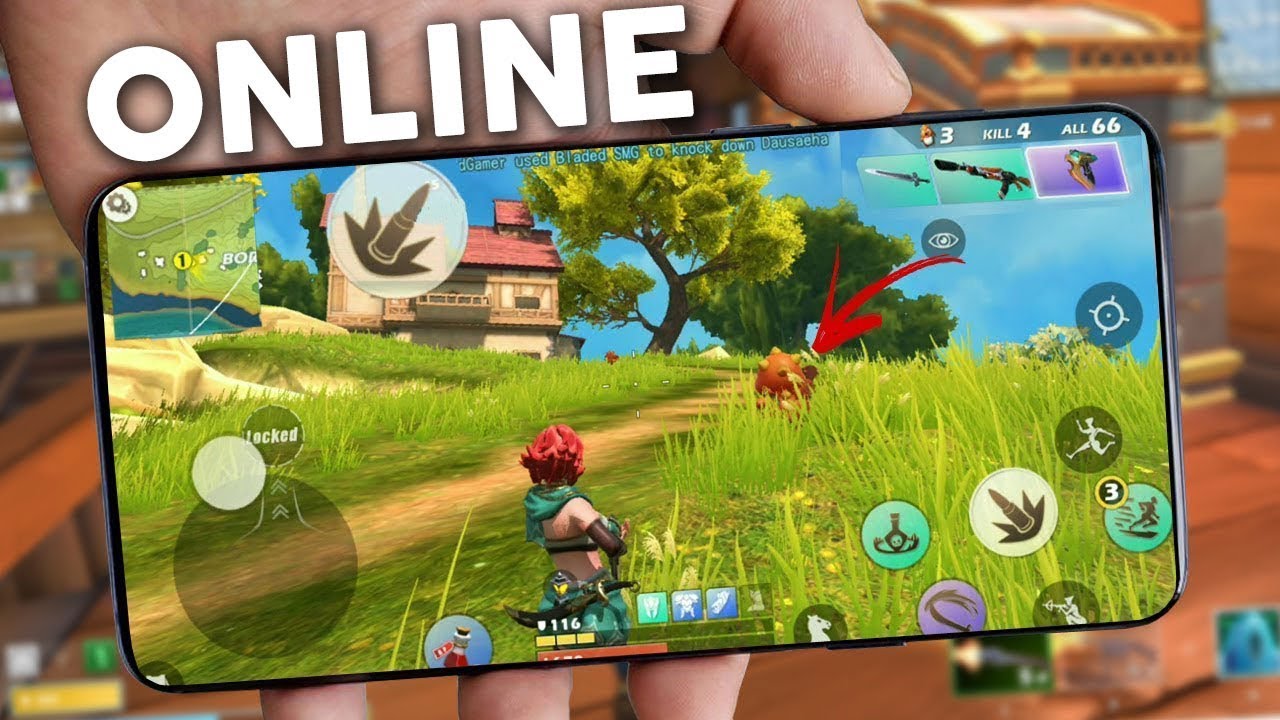
Online multiplayer games have completely transformed the way people experience digital entertainment. Instead of playing alone, gamers now connect with friends, family, and even strangers from across the world in real time. Whether it’s a competitive shooter, a cooperative adventure, or a massive virtual world, multiplayer gaming has created a global community that continues to grow every year.
Just imagine a teenager in India teaming up with a player in Japan and another in Brazil to complete a mission in a fantasy world. This kind of connection was almost impossible two decades ago. Today, it’s part of everyday gaming culture.
From casual mobile games to professional esports competitions, multiplayer gaming has become one of the most influential forces in modern entertainment.
The Evolution of Online Multiplayer Games
Gaming started as a solitary activity in the early days of computers and consoles. Players competed against the computer or shared a single screen with friends. However, the rise of the internet completely changed the gaming landscape.
In the late 1990s and early 2000s, developers began experimenting with network-based gameplay. Early titles allowed players to connect through local networks or dial-up internet. These early systems were limited, but they opened the door to something revolutionary.
As internet speeds improved and technology advanced, developers began building larger and more complex multiplayer worlds. Massive online games allowed thousands of players to interact simultaneously. Players could form alliances, compete in tournaments, and build long-lasting communities.
Today, online multiplayer games exist across almost every gaming platform including PCs, consoles, smartphones, and even cloud-based gaming services.
Why Online Multiplayer Games Are So Popular
One major reason for the massive popularity of multiplayer gaming is the social experience. Humans naturally enjoy connection and collaboration. Multiplayer games provide a digital environment where people can interact, communicate, and compete.
Players often develop friendships through gaming communities. Some even meet their future business partners, teammates, or lifelong friends through shared gaming experiences.
Another reason for the popularity is unpredictability. When players compete against real humans instead of artificial intelligence, every match feels unique. Strategies change constantly, making gameplay far more exciting and challenging.
The competitive aspect also plays a huge role. Many gamers enjoy improving their skills and climbing leaderboards. This sense of progress keeps players engaged for months or even years.
Types of Online Multiplayer Games
The world of multiplayer gaming is incredibly diverse. Developers continue to create new genres and experiences that attract different types of players.
Competitive multiplayer games focus on skill-based battles between players. These games often feature ranking systems, tournaments, and esports competitions.
Cooperative multiplayer games emphasize teamwork. Players work together to complete missions, defeat enemies, or solve puzzles.
Massively multiplayer games create enormous virtual worlds where thousands of players interact at the same time. These games often include character progression, economies, and long-term storylines.
Casual multiplayer games are designed for quick and easy gameplay sessions. Many mobile games fall into this category, allowing players to challenge friends or random opponents.
Regardless of the genre, online multiplayer games create a dynamic environment where the experience changes every time you play.
How Online Multiplayer Games Build Global Communities
Gaming communities are one of the most powerful aspects of multiplayer gaming. Players gather in online forums, chat servers, streaming platforms, and social media groups to share strategies and experiences.
Many gamers form teams known as clans or guilds. These groups often practice together, participate in tournaments, and support each other during gameplay.
Streaming platforms have also contributed to the growth of gaming communities. When players watch live streams or tournaments, they feel connected to a larger global audience.
For many people, gaming communities provide a sense of belonging. Players who might feel isolated in real life often discover supportive communities through gaming.
These communities help shape gaming culture and influence how developers design new games.
Technology Behind Online Multiplayer Games
Creating multiplayer experiences requires advanced technology. Game developers rely on complex systems to ensure players can interact smoothly across the internet.
Game servers play a critical role in multiplayer gaming. These servers manage player data, synchronize gameplay events, and maintain fairness during matches.
Latency, often referred to as ping, measures the delay between a player’s action and the server response. Low latency is essential for smooth gameplay, especially in fast-paced competitive games.
Developers also implement matchmaking systems to pair players with others of similar skill levels. This helps create balanced matches that feel fair and enjoyable.
As internet infrastructure improves worldwide, online multiplayer games continue to become faster, more stable, and more accessible to players everywhere.
The Rise of Esports and Competitive Gaming
The competitive side of multiplayer gaming has evolved into a billion-dollar industry known as esports. Professional players train for hours every day to compete in global tournaments.
Large esports events attract millions of viewers online and even fill stadiums with live audiences. Prize pools for major tournaments can reach millions of dollars, making competitive gaming a viable career path.
Professional teams recruit talented players, coaches, and analysts to improve performance. Sponsors and brands also invest heavily in esports organizations.
This competitive ecosystem has helped bring multiplayer gaming into mainstream entertainment.
As the industry grows, online multiplayer games continue to inspire the next generation of professional gamers.
Social Benefits of Multiplayer Gaming
Many people believe gaming is a solitary activity, but multiplayer games often encourage communication and collaboration.
Players must coordinate strategies, share information, and support teammates during matches. This process can improve communication skills and teamwork.
Some games require players to think critically and adapt to constantly changing situations. These challenges help develop problem-solving abilities.
Parents sometimes notice that children learn leadership skills while organizing teams or guiding their teammates through difficult challenges.
Multiplayer gaming can also help people relieve stress after a long day by providing a fun and interactive escape.
Challenges and Concerns in Online Multiplayer Games
Despite their many benefits, multiplayer games also come with certain challenges.
One common issue is toxic behavior. Some players may use offensive language or behave aggressively during matches. Game developers are actively working to create moderation systems and reporting tools to reduce toxicity.
Another challenge is maintaining balance in competitive games. Developers must constantly update gameplay mechanics to ensure fairness between players.
Security and privacy are also important concerns. Protecting player data and preventing cheating requires ongoing technological improvements.
Even with these challenges, online multiplayer games continue to evolve and improve as developers listen to community feedback.
The Future of Online Multiplayer Games
The future of multiplayer gaming looks incredibly promising. Emerging technologies are opening the door to entirely new experiences.
Cloud gaming allows players to access high-quality games without expensive hardware. This technology could make multiplayer gaming accessible to millions of new players worldwide.
Virtual reality is also beginning to reshape multiplayer experiences. Instead of controlling characters on a screen, players can physically move and interact within immersive virtual environments.
Artificial intelligence may also enhance multiplayer games by creating smarter non-player characters and more adaptive gameplay systems.
As technology advances, the boundaries between gaming, social interaction, and digital worlds will continue to blur.
Why Online Multiplayer Games Continue to Thrive
The reason multiplayer gaming continues to thrive is simple: it combines entertainment with human connection. Players enjoy the excitement of competition, the satisfaction of teamwork, and the joy of shared experiences.
Unlike single-player games, multiplayer titles never feel exactly the same twice. Every match brings new strategies, unexpected moments, and opportunities to learn.
The gaming industry also continues to invest heavily in multiplayer innovation, ensuring new experiences keep emerging.
For millions of people around the world, gaming is no longer just a hobby. It is a social platform, a competitive arena, and sometimes even a career.
In this evolving digital era, online multiplayer games are more than just entertainment—they are a powerful example of how technology can bring people together across cultures, languages, and continents.
Read also:
quog5.4.15.0 oven temperature
pokroh14210
tv ko44.e3op model
hif885fan2.5
khogis930.5z