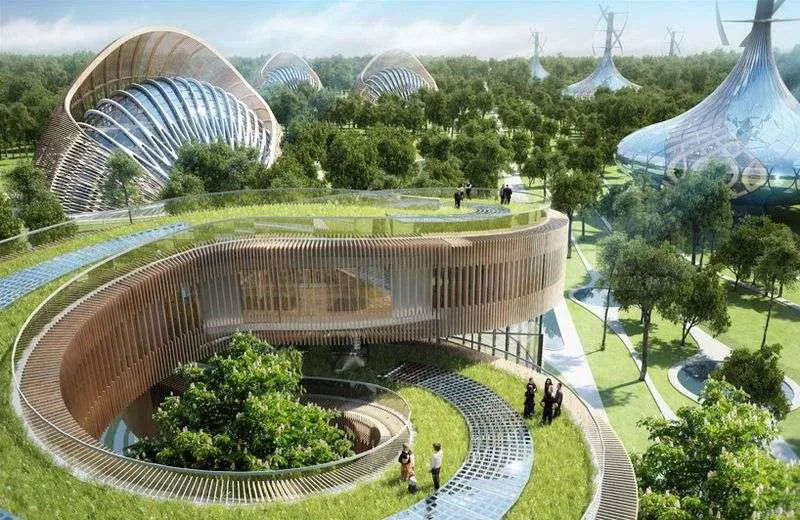
Sustainable architecture represents the most vital shift in the construction industry since the industrial revolution, focusing on harmony between our built environment and the natural world. For decades, we viewed buildings as static structures designed to shield us from the elements, often at a high cost to the Earth. Now, we are entering an era where our homes and offices act as living systems that generate energy, recycle water, and support biodiversity.
When we talk about this movement, we are really talking about a philosophy of responsibility that extends far beyond just adding a few solar panels to a roof. It is a holistic approach that considers a building’s impact from the very first sketch to the eventual day it might be decommissioned or repurposed. Architects today are essentially becoming environmental stewards, blending ancient wisdom with cutting-edge technology to create spaces that feel better to live in.
Imagine walking into a high-rise in the middle of a bustling city and feeling as though you’ve stepped into a forest. This is the power of biophilic design, a key pillar of this movement that recognizes our innate human need for connection with nature. By incorporating natural light, indoor vegetation, and organic materials, these structures do more than just house us; they actively improve our mental health and productivity.
The Foundational Principles of Sustainable Architecture
To truly understand how this works, we have to look at the concept of site orientation and how a building sits on the land. A well-designed project starts by observing the path of the sun and the direction of prevailing winds to maximize natural heating and cooling. This “passive design” strategy is incredibly effective because it reduces the need for mechanical HVAC systems, which are historically the largest energy hogs in any structure.
By placing large windows on the southern side of a building in the northern hemisphere, we can harvest the sun’s warmth during the winter months. Conversely, strategically placed overhangs or deciduous trees can provide shade during the summer, keeping the interior cool without the hum of an air conditioner. This simplicity is often the hallmark of a truly sophisticated green project, proving that high-tech solutions aren’t always the only answer.
In addition to thermal management, the footprint of a building must be considered in relation to its local ecosystem. Building in a way that preserves existing trees and maintains natural drainage patterns prevents the “heat island” effect common in urban areas. This thoughtful integration ensures that the project becomes a positive addition to the neighborhood rather than a drain on its resources and natural beauty.
Innovation and Materials in the Modern Era
One of the most exciting developments in Sustainable architecture is the resurgence of natural, low-carbon materials that our ancestors used for centuries. While concrete and steel have dominated the last century, they carry a massive carbon footprint due to their energy-intensive manufacturing processes. Today, we are seeing a return to mass timber, specifically Cross-Laminated Timber, which is strong enough to build skyscrapers but actually stores carbon.
Mass timber projects act as a carbon sink, locking away the CO2 that the trees absorbed during their growth, rather than releasing it into the atmosphere. This shift is revolutionizing the skyline of cities from Vancouver to Vienna, offering a warm, aesthetic appeal that traditional materials simply cannot match. Beyond wood, we are experimenting with fascinating alternatives like hempcrete, mycelium (mushroom) insulation, and even bricks grown from bacteria.
Hempcrete, for example, is a bio-composite material made from the inner woody fibers of the hemp plant mixed with lime. It is not only carbon-negative but also incredibly breathable and naturally resistant to mold and fire. Using materials like these helps regulate indoor humidity and temperature naturally, which further reduces the reliance on mechanical systems while ensuring a healthier living environment for the occupants.
The Role of Adaptive Reuse in Sustainable Architecture
The greenest building is often the one that has already been built, which is why adaptive reuse is such a critical component of the movement. Instead of demolishing old warehouses or abandoned factories and sending tons of debris to landfills, we are finding ways to rejuvenate these structures for modern use. This process saves the “embodied energy” of the original construction, which is the total energy required to extract, process, and transport those original materials.
Converting an old industrial space into a vibrant residential loft or a creative office hub preserves the character of a city while being incredibly eco-friendly. It requires a high level of creativity to work within the constraints of an existing shell, but the results are often far more soulful and unique than anything built from scratch. It is a testament to the idea that sustainability and heritage can go hand in hand to create something truly timeless.
Furthermore, adaptive reuse helps prevent urban sprawl by focusing development in existing city centers where infrastructure already exists. This reduces the need for new roads, pipes, and power lines, while also making cities more walkable and less dependent on automobiles. It is a strategy that revitalizes communities from the inside out, proving that the past can provide a sturdy foundation for a greener, more resilient future.
Energy Performance and the Carbon Footprint
The ultimate goal for many modern projects is to reach “net-zero” energy status, meaning the building produces as much energy as it consumes over the course of a year. This is achieved through a combination of extreme efficiency and on-site renewable energy generation. We are no longer limited to just rooftop solar panels; we now have solar shingles, wind-harvesting facades, and even geothermal heat pumps that tap into the earth’s steady temperature.
Windows have also seen a technological revolution, with triple-glazing and low-emissivity coatings becoming the gold standard for high-performance buildings. These windows act as a thermal barrier, keeping heat in during the winter and out during the summer while still allowing abundant natural light to flood the space. This focus on the “envelope” or the skin of the building is what separates a mediocre green building from a world-class one.
Smart technology plays a vital role here as well, with sensors that adjust lighting and temperature based on occupancy and real-time weather data. Imagine a building that “knows” when a room is empty and automatically dims the lights or closes the blinds to prevent heat gain. This level of automation ensures that energy is never wasted, allowing the structure to operate at peak efficiency with minimal human intervention or error.
Water Management and Resource Conservation
Water is one of our most precious resources, yet traditional building design treats it as a waste product to be flushed away as quickly as possible. In a more conscious design framework, every drop of water is viewed as a resource to be collected and reused. Rainwater harvesting systems catch water from roofs and store it in underground cisterns for use in irrigation or even for flushing toilets, significantly reducing the demand on municipal supplies.
Greywater systems take this a step further by filtering water from sinks and showers to be reused on-site. While we might not want to drink this water, it is perfectly safe for watering a vertical garden or a rooftop meadow. This circular approach to water management is essential in areas prone to drought, but it is a wise practice for any project looking to minimize its environmental footprint and operational costs.
Permeable paving is another simple yet effective tool for managing water on a site. Instead of solid asphalt that causes runoff and overwhelms storm drains, permeable surfaces allow rainwater to soak directly into the ground. This helps recharge local aquifers and filters out pollutants naturally through the soil. It is a quiet, often invisible technology that makes our cities much more resilient to the flash flooding caused by climate change.
The Human Side of Sustainable Architecture
While we often focus on the technical metrics of energy and carbon, the real heart of this movement is the people who inhabit these spaces. A building that is energy-efficient but unpleasant to live in is not truly sustainable because it will eventually be abandoned or replaced. True success is found when a structure enhances the human experience, providing a sanctuary that fosters health, happiness, and a sense of community.
Air quality is a major factor in this equation, as many traditional building materials release harmful volatile organic compounds (VOCs) for years after construction. Green buildings prioritize non-toxic finishes, natural oils, and advanced ventilation systems that provide a constant stream of fresh, filtered air. This leads to a noticeable reduction in respiratory issues and allergies, making the home a place of healing rather than a source of stress.
Natural light also has a profound impact on our circadian rhythms and overall mood. By maximizing daylighting and providing views of the outdoors, we can reduce the need for artificial lighting while helping residents feel more connected to the passing of the day. It is about creating an environment that respects our biological needs, proving that the most advanced designs are often the ones that feel the most natural and intuitive to our senses.
Economic Viability and the Future Landscape
There is a common misconception that building green is prohibitively expensive, but the financial reality is shifting rapidly. While the upfront costs might be slightly higher—usually between 2% and 5%—the long-term savings in energy and water bills are substantial. Furthermore, green buildings tend to have higher resale values and lower vacancy rates because people are increasingly seeking out spaces that align with their values and offer lower operating costs.
Governments around the world are also introducing incentives, tax credits, and stricter building codes that favor eco-friendly construction. This is moving Sustainable architecture from a niche market for the wealthy into the mainstream, where it can make a real impact on a global scale. We are seeing affordable housing projects and public schools being built to these high standards, proving that sustainability is a right rather than a luxury.
The future of our cities depends on our ability to rethink how we build. As the global population continues to grow and urbanize, the pressure on our planet’s resources will only increase. By embracing a design philosophy that prioritizes the environment and human well-being, we can create a built environment that lasts for generations. It is an invitation to dream bigger and build better, ensuring that our legacy is one of restoration rather than depletion.
Technological Frontiers and Beyond
As we look toward the next decade, the boundaries of what is possible are expanding through 3D printing and artificial intelligence. 3D-printed homes are being built using local earth or recycled materials, reducing waste almost to zero and allowing for organic shapes that are impossible with traditional methods. These structures can be printed in a fraction of the time, providing a potential solution for the global housing crisis while maintaining a very low carbon footprint.
Artificial intelligence is being used to run millions of simulations to find the absolute most efficient shape for a building based on its specific location and climate. This “generative design” allows architects to optimize every square inch for performance, ensuring that no material is wasted and no energy is lost. It is a powerful partnership between human creativity and machine precision, leading to some of the most innovative structures we have ever seen.
We are also seeing the rise of “living buildings” that produce their own food through integrated hydroponic systems and generate their own oxygen through algae-filled facades. These projects go beyond net-zero and become “net-positive,” meaning they actually give back more to the environment than they take. It is a radical and inspiring vision of the future, where our cities act as productive ecosystems that help heal the planet.
The Journey Toward a Greener World
Ultimately, the shift toward these practices is a journey of rediscovery and innovation. It requires us to look at the world with fresh eyes and to recognize that every choice we make in the design and construction of our homes has a ripple effect on the planet. Whether it is choosing a recycled countertop or designing a multi-story urban farm, these decisions matter. They are the building blocks of a future where we no longer have to choose between progress and the environment.
Education and awareness are the keys to accelerating this transition. As more homeowners, developers, and policymakers understand the benefits of green design, the demand will continue to grow. We have all the tools and technology we need to change the way we live; all that is required is the collective will to implement them. It is an exciting time to be part of this conversation, as we watch the world transform one building at a time.
Building a greener world is not just an architectural challenge; it is a moral one. It is about deciding what kind of world we want to leave behind for our children and grandchildren. By choosing to build in a way that respects the Earth, we are sending a message of hope and resilience. We are proving that humanity can be a creative force for good, shaping a built environment that is as beautiful and vibrant as the natural world that sustains us.
The transition to a sustainable future is well underway, and there is no turning back. From the smallest tiny home to the largest corporate headquarters, the principles of eco-friendly design are being woven into the fabric of our society. This is the new standard of excellence, where a building’s beauty is measured not just by its appearance, but by its integrity and its contribution to the greater good. Let us continue to push the boundaries of what is possible, creating a legacy of harmony and innovation.