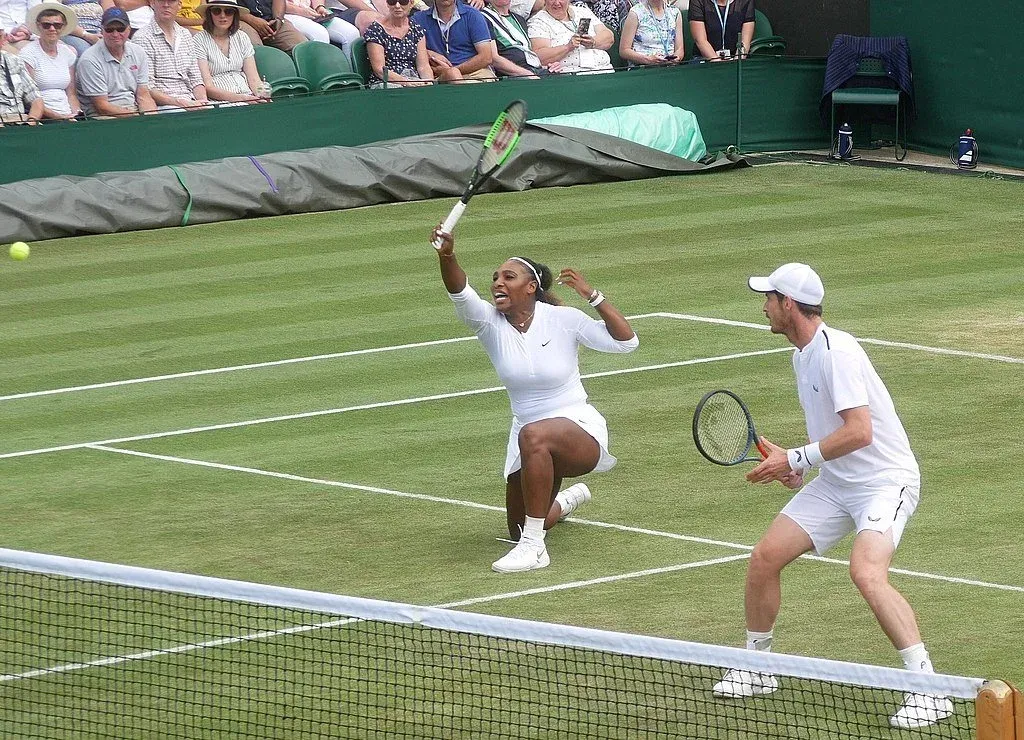
Mixed doubles tactics play a decisive role from the very first rally because this format is not just about individual skill, but about coordination, understanding, and intelligent decision-making between two very different players. Unlike singles or same-gender doubles, mixed doubles demands constant adaptation, clear communication, and tactical awareness that evolves point by point.
Whether played in badminton, tennis, or table tennis, mixed doubles introduces unique dynamics. Differences in power, reach, speed, and shot selection must be balanced thoughtfully. Successful pairs are not always the strongest individuals, but the ones who understand how to combine strengths into a cohesive unit.
Table of Contents
ToggleUnderstanding the Unique Nature of Mixed Doubles
Mixed doubles is fundamentally about balance. Each partner brings different physical and tactical attributes to the court, and the challenge lies in using them efficiently.
One common mistake is treating mixed doubles like regular doubles. That approach often leads to confusion, poor positioning, and missed opportunities. Mixed doubles requires deliberate role definition and tactical discipline.
Experienced pairs quickly learn that winning is not about dominating every rally, but about controlling patterns and forcing opponents into uncomfortable situations.
Role Definition and Court Responsibility
Clear role definition is the foundation of effective mixed doubles play. Partners must understand who takes charge in specific situations and zones of the court.
Traditionally, one player may focus more on front-court control while the other covers the back court. This does not mean rigid positioning, but rather a default structure that helps reduce hesitation.
When roles are unclear, both players may leave shots or overcommit, creating easy points for opponents. Strong pairs avoid this through constant awareness and trust.
Communication as a Tactical Weapon
Communication in mixed doubles goes far beyond calling shots. It includes non-verbal cues, body positioning, and mutual understanding developed through practice.
Quick signals before serves, subtle gestures during rallies, and eye contact after points help partners stay aligned tactically. Silence often leads to confusion, especially under pressure.
The best pairs communicate calmly, even after mistakes. This emotional stability strengthens teamwork and prevents momentum swings.
Mixed Doubles Tactics for Serve and Return Games
The serve and return phase sets the tone for the rally. In mixed doubles, this phase is even more critical because it often determines early positioning.
A well-placed serve limits attacking options and allows the serving pair to establish control. Short, tight serves are commonly used to prevent aggressive returns.
On return, placement matters more than power. A controlled return that disrupts opponent positioning can immediately shift the advantage.
Front-Court Dominance and Net Control
Net play is one of the most decisive aspects of mixed doubles. The player at the front controls tempo, intercepts weak shots, and creates attacking chances.
Strong net presence forces opponents to lift, allowing the back-court player to attack. This front-back synergy is central to many winning strategies.
However, over-aggression at the net can backfire. Smart positioning and patience often outperform constant lunging or risky interceptions.
Back-Court Strategy and Shot Selection
The back-court player carries responsibility for pressure and point construction. Shot selection must be intelligent rather than forceful.
Instead of hitting every shot with maximum power, variation becomes essential. Drops, half-smashes, and clears can break opponent rhythm and create openings.
This thoughtful approach reflects advanced tactical awareness and preserves energy throughout long matches.
Defensive Shape and Transition Play
Defense in mixed doubles requires quick transitions. Partners must shift smoothly between attacking and defensive roles without panic.
A compact defensive shape reduces gaps and forces opponents to take risks. Good defense often leads to counter-attacking opportunities rather than passive survival.
Transition speed is critical. The moment an opponent’s attack weakens, pairs must be ready to switch back to offense.
Mixed Doubles Tactics Against Stronger Opponents
Facing stronger opponents demands adaptability rather than fear. Tactical intelligence can neutralize raw power.
Targeting spaces instead of players, changing rally pace, and exploiting positional weaknesses can level the playing field.
Smart pairs avoid predictable patterns. They observe opponents carefully and adjust tactics mid-match based on what is working.
Understanding Opponent Pair Dynamics
Every mixed doubles pair has a dynamic. Some rely heavily on one player, while others function more evenly.
Identifying these tendencies early helps in shaping tactics. If one player is less comfortable under pressure, rallies can be directed strategically.
Observation is a skill. Successful pairs treat each rally as information, learning continuously and refining their approach.
Psychological Balance and Emotional Control
Mixed doubles places emotional demands on players. Differences in temperament and stress responses can affect performance.
Maintaining emotional balance is crucial. Encouragement, patience, and mutual respect prevent internal friction that opponents can exploit.
The strongest partnerships treat mistakes as shared challenges rather than individual failures. This mindset sustains focus during tight moments.
Rotational Movement and Flexibility
While front-back positioning is common, modern mixed doubles also emphasizes rotational movement.
When situations change, partners must rotate seamlessly without verbal instruction. This flexibility keeps opponents guessing and maintains court coverage.
Rigid positioning can be exploited. Fluid movement, on the other hand, demonstrates experience and tactical maturity.
Serve Placement and Deception
Serve placement is an underrated weapon. Varying angles, speeds, and placements disrupts returners and creates initiative.
Deceptive serves force hesitation, even if they do not directly win points. That hesitation often leads to weak returns.
Consistency matters more than flash. A reliable serve that applies pressure repeatedly builds long-term advantage.
Mixed Doubles Tactics in Pressure Situations
Pressure moments reveal tactical discipline. In crucial points, pairs must rely on structure rather than instinct alone.
Safe patterns, clear communication, and high-percentage shots reduce unforced errors. Risky experimentation often costs points under pressure.
Experienced pairs slow the game mentally, sticking to what has worked throughout the match.
Training for Tactical Awareness
Tactical awareness does not develop overnight. It requires deliberate practice focused on scenarios rather than just drills.
Practicing specific situations, such as defending against strong attacks or closing out games, builds confidence and clarity.
Reviewing match footage also enhances understanding. Seeing patterns objectively helps pairs refine tactics and correct habits.
Adapting to Different Playing Styles
Mixed doubles opponents vary widely in style. Some pairs play aggressively, others defensively.
Adaptability is key. Strategies that work against one pair may fail against another. Successful teams adjust quickly.
This adaptability reflects experience and strategic intelligence rather than rigid planning.
Building Trust Between Partners
Trust underpins all tactical execution. Partners must trust each other’s decisions and movements.
Second-guessing leads to hesitation, which opponents exploit immediately. Trust allows confident execution even under pressure.
This trust grows through shared practice, honest communication, and mutual respect.
Reading the Game in Real Time
Reading the game involves anticipating shots, recognizing patterns, and sensing momentum shifts.
Advanced players notice subtle cues such as body positioning and shot preparation. These insights inform tactical decisions.
This real-time reading separates average pairs from elite ones, making tactics proactive rather than reactive.
Mixed Doubles Tactics and Physical Conditioning
Physical conditioning supports tactical execution. Fatigue affects decision-making, positioning, and communication.
Well-conditioned players maintain focus and movement quality deep into matches. This endurance allows tactics to remain effective.
Conditioning also reduces injury risk, ensuring consistency across tournaments or long matches.
Adjusting Tactics Mid-Match
No match follows a fixed script. Conditions, opponent adjustments, and momentum shifts require constant reassessment.
Mid-match tactical changes must be simple and clear. Overcomplication leads to confusion.
The best pairs communicate adjustments calmly and implement them immediately.
Experience and Tactical Maturity
Experience teaches which tactics hold up under pressure. Over time, players learn what works consistently.
Tactical maturity involves patience, discipline, and self-awareness. It prioritizes smart decisions over emotional reactions.
This maturity is built through competition, reflection, and continuous learning.
Strategic Patience and Point Construction
Not every rally needs to end quickly. Strategic patience often frustrates opponents into making mistakes.
Building points deliberately allows pairs to control tempo and conserve energy.
This patience reflects confidence in strategy rather than urgency to dominate.
Mixed Doubles Tactics as a Competitive Advantage
Ultimately, tactics transform ability into results. Physical skill sets the ceiling, but tactics determine outcomes.
Pairs who invest time in understanding and refining tactics gain a competitive edge that pure athleticism cannot replace.
In high-level play, matches are often decided by smarter decisions rather than stronger shots.
Through intelligent positioning, clear communication, and shared understanding, Mixed doubles tactics continue to define success in one of the most challenging and rewarding formats in competitive sport.
Read also: